

MIAST: Transforming Agrifood Systems
The Malaysian Institute for Agrifood Systems Transformation (MIAST) is a policy oriented think tank established to strengthen Malaysia’s capacity to understand, design and influence transformation within complex agrifood systems.
The institute was founded on the recognition that Malaysia’s food security challenges are increasingly multidimensional, requiring not only technical expertise, but also systems thinking, strategic coordination, policy innovation and institutional leadership.
National governments are increasingly recognising that delivering on food system commitments requires not only sound policy design, but also a new generation of public sector leaders equipped with systems literacy and the capacity to work across institutional boundaries. In this context, MIAST serves as a platform that mobilises technical capability, strategic thinking and cross-sector experience into actionable policy intelligence and practical reform proposals relevant to national agrifood priorities.
Beyond generating analysis, MIAST is designed to build strategic convening power, the institutional ability to bring together policymakers, technical experts, practitioners, academic partners and sector leaders to examine complex agrifood challenges collectively, align perspectives and shape informed pathways for reform. The institute recognises that in complex policy environments, influence often emerges not only from ideas, but from creating trusted spaces where critical conversations can take place across institutional boundaries.

Our History: From Capacity Building to Policy Influence
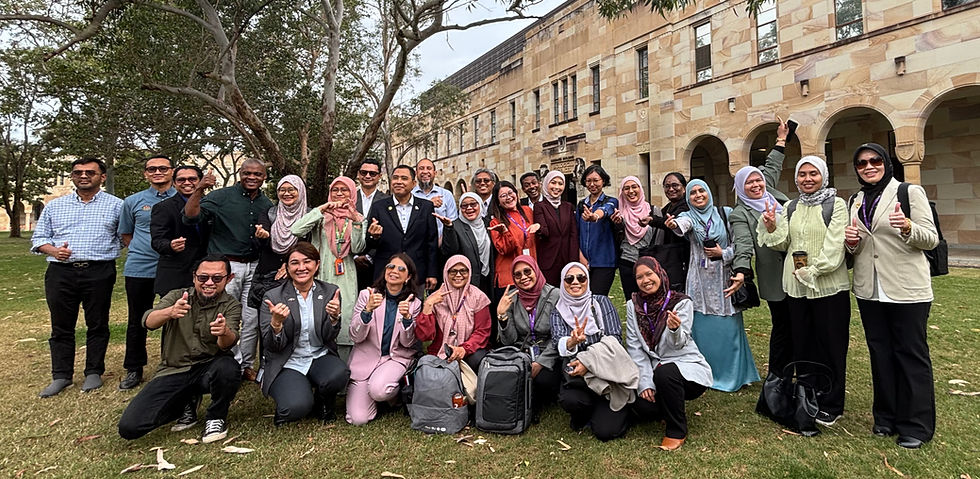
The Malaysian Institute for Agrifood Systems Transformation (MIAST) was established as a strategic continuation of Malaysia’s national capacity building efforts in food systems transformation. Its foundation is closely linked to the Global Food Systems Leadership Program, a six-month intensive leadership and technical development program designed to strengthen the capability of Malaysian public sector officers in food systems thinking, policy innovation and systems transformation.
The program was designed, developed and delivered by Binaskil Academy, a Malaysian-based systems transformation consulting and training firm, in collaboration with experts from the University of Queensland, Australia. Implemented across two cohorts in 2024 and 2025, the program was funded by the Public Service Department of Malaysia, the central government agency responsible for public sector human capital development, talent management and capacity building across Malaysia’s civil service.
Through the program, 35 technical experts and policy technocrats from various Malaysian ministries and government agencies participated in a structured learning journey covering food systems, systems thinking, policy analysis, strategic leadership and cross-sector collaboration. The program was developed in response to the growing recognition that Malaysia’s food security challenges require more than sector-specific interventions. They require leaders who can understand complexity, work across institutional boundaries and translate policy priorities into coordinated action.
MIAST was established to carry forward this momentum. It serves as a platform to advocate policy influence, support strategic dialogue and convene government, academia, industry and civil society around critical issues in agrifood systems transformation. Building on the knowledge, networks and policy priorities emerging from the Global Food Systems Leadership Program, MIAST aims to transform capacity-building outcomes into sustained policy engagement, practical reform proposals and collective action for Malaysia’s agrifood future.
As an institute, MIAST reflects broader commitment to systems transformation, bridging technical expertise, policy intelligence and strategic convening to support national priorities in food security, agrifood resilience and sustainable systems change.
Systems Mapping and Problem Structuring

How policies, markets and actors interact in the agrifood system, clarifying root causes and leverage points for effective intervention.
Thematic Analysis on Critical Agrifood Issues

Identifies key patterns, risks and opportunities across data and stakeholder insights to inform better policy and investment decisions.
Advisory Support for Government and Institutions
MIAST provides advisory support to government agencies and institutions through evidence-based analysis, strategic planning, policy development and systems thinking approaches. The institute supports decision makers in translating complex challenges into practical strategies, implementation pathways and impactful solutions.

Policy Dialogue and Strategic Convening
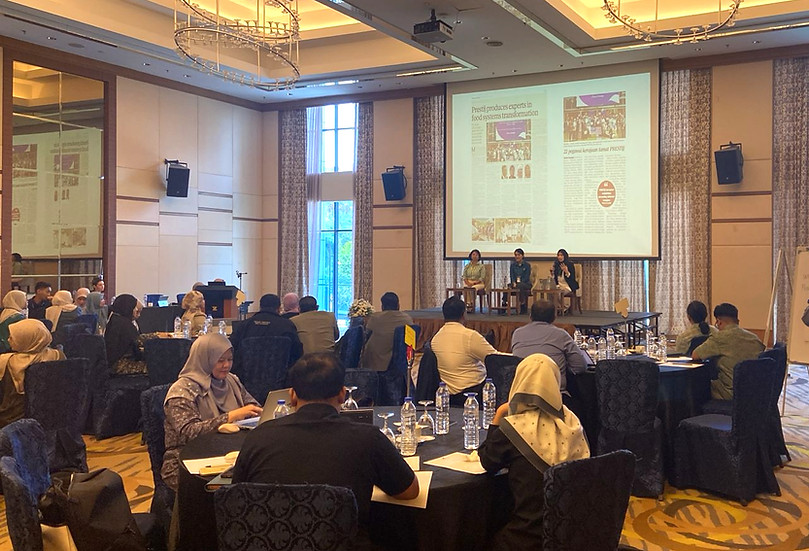
MIAST facilitates policy dialogue and strategic convening by bringing together government, industry, academia and development partners to address complex agrifood systems challenges.
Through forums, roundtables and strategic engagements, MIAST creates a platform for collaboration, generating actionable insights and policy recommendations that support food systems transformation.
Strategic Technical Papers

Provide in depth, evidence based analysis on key agrifood issues to support long-term policy choices and institutional strategy.
Policy Brief Notes
Documents that turn complex evidence into clear options and recommendations to guide agrifood policy decisions.

What We Do
MIAST develops and contributes through:
Why MIAST Matters
Malaysia’s agrifood system is shaped by interconnected pressures involving production, imports, climate variability, market efficiency, food affordability, nutrition outcomes, institutional coordination and long-term resilience. Traditional policy approaches often address these issues in isolation.
MIAST promotes a systems based approach, recognising that sustainable transformation requires understanding interdependence, leverage points, feedback structures, implementation realities and the relationships between institutions responsible for delivery. The institute therefore focuses not only on producing analysis, but also on creating conditions for strategic dialogue and coordinated action.
Mission
To advance Malaysia’s agrifood systems transformation through evidence based policy thinking, strategic technical analysis, systems approaches and informed engagement with national stakeholders.
To become a respected national and regional thought leader in agrifood systems transformation, influencing policy, strengthening institutions and contributing to sustainable food futures.